With rising rates of mental health diagnoses, the use of antipsychotic medications during pregnancy has become increasingly common. Yet new research—specifically recent meta-analyses—raises important questions about safety, particularly regarding the risk of gestational diabetes. This article presents the latest evidence, summarizes key findings, and highlights what clinicians and expectant mothers need to know.
Meta-Analysis: Antipsychotics and Pregnancy-Related Diabetes
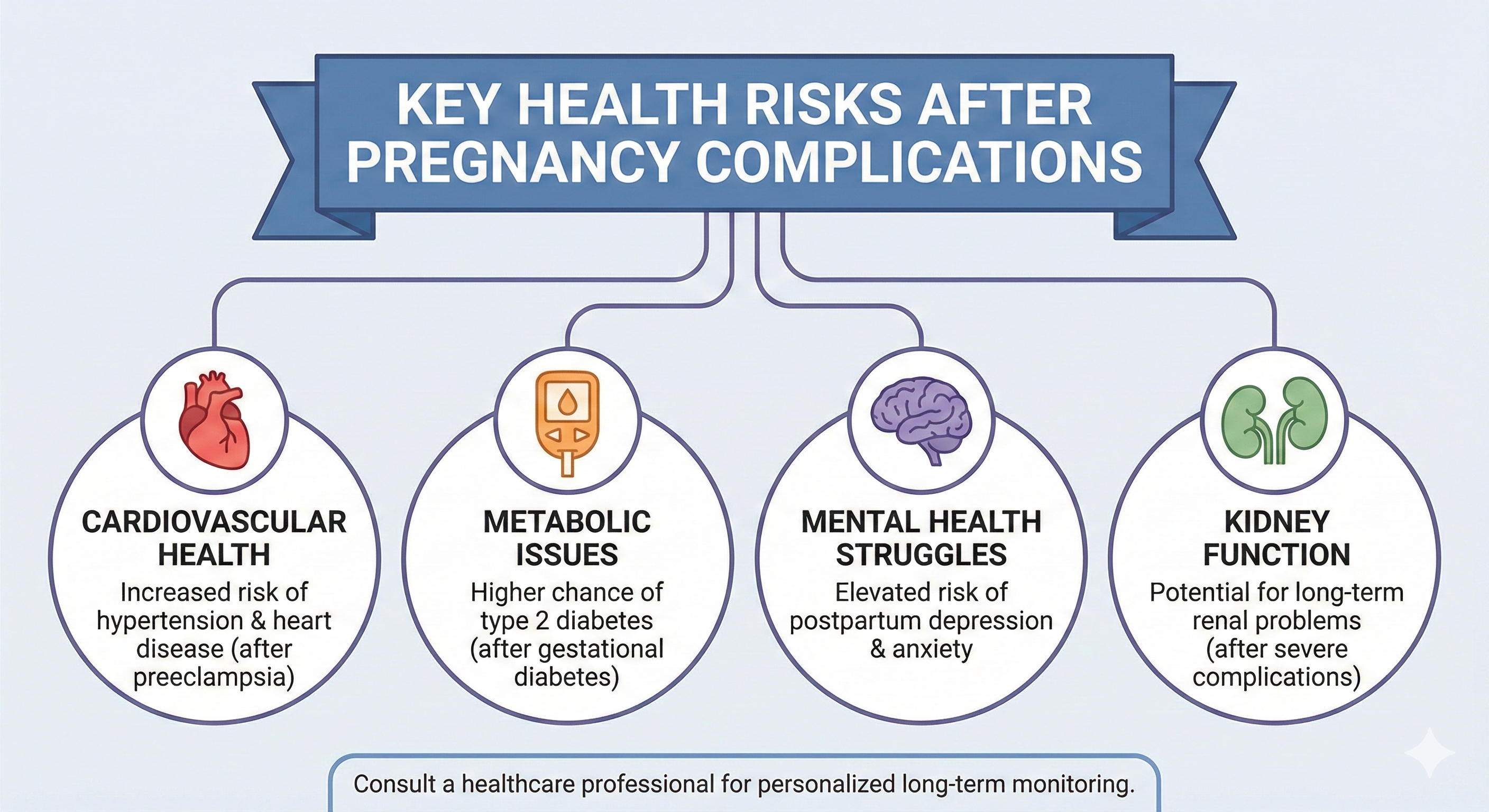
Recent meta-analyses synthesize evidence from multiple cohorts and reveal a consistent association between antipsychotic exposure during pregnancy and increased odds of developing gestational diabetes.
Patients on second-generation (atypical) antipsychotics, especially olanzapine and clozapine, have the highest risk elevation compared to non-exposed controls and those on first-generation drugs.
The relative risk of gestational diabetes rises 1.5 to 2 times, according to pooled data from over 20,000 pregnancies examined across studies.
“These findings highlight the importance of close glucose monitoring in pregnant women who require antipsychotic therapy—especially those with additional risk factors such as obesity or family history,”
Mechanisms and Clinical Considerations
The pathophysiology behind this link is believed to be twofold:
Antipsychotics can impair glucose metabolism and increase weight gain.
They may also interact with pregnancy’s natural insulin resistance, compounding the risk of abnormal glucose tolerance.
Key Highlight
Not all antipsychotics carry the same risk—aripiprazole and others show a more favorable metabolic profile. However, the need for individualized treatment planning is paramount.
Risk-Benefit Discussion: What Should Expectant Mothers Do?
Meta-analysis data reinforce that, for many women, the benefits of psychiatric stability outweigh the metabolic risks. However:
Shared decision-making is essential.
Preconception counseling and prenatal glucose screening should become the standard for women on long-term antipsychotic treatment.
Dietary, lifestyle, or pharmacologic adjustments may reduce overall risk.
“Antipsychotic therapy in pregnancy is never a one-size-fits-all decision. The risk of untreated psychiatric illness may also threaten maternal and neonatal outcomes”
Clinical Implications and Guidelines
Most guidelines recommend caution with specific second-generation antipsychotics in pregnancy.
Frequent glucose testing (OGTT in early and mid-pregnancy) and consults between obstetricians, psychiatrists, and endocrinologists are encouraged.
Dose adjustments or switching to lower-risk antipsychotics may be considered on a case-by-case basis, always prioritizing maternal mental health and fetal safety.
Conclusion
The latest meta-analysis confirms an elevated risk of gestational diabetes with certain antipsychotics during pregnancy, but underscores the need for nuanced conversations. With coordinated care, most women can safely navigate pregnancy while maintaining psychiatric stability.