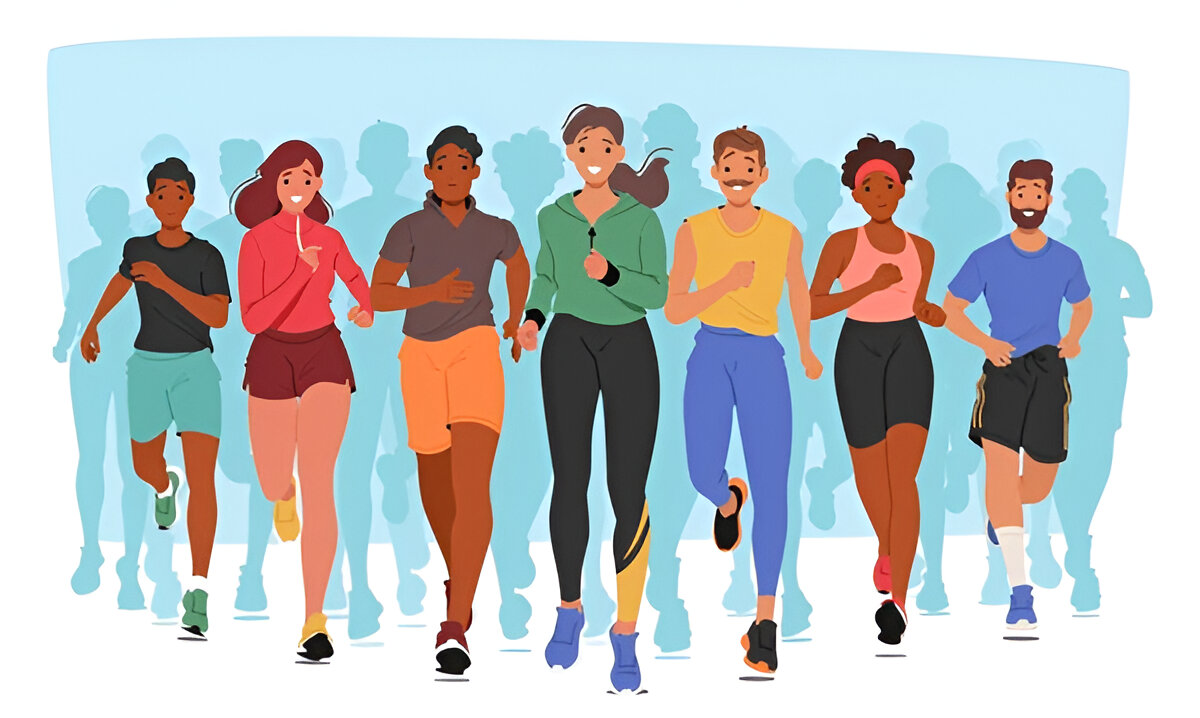
Physical activity holds universal benefits for your health and well-being. It is true, regardless of your age or physical ability. As our lives often grow more sedentary, moving your body daily becomes truly important. This isn’t just about looking good; it is about feeling great and living fully.
Keep in mind that exercise isn’t a one-size-fits-all solution. What works for a child may not suit a senior. What challenges an athlete might not be safe for someone with a chronic condition.
Why Physical Activity Matters at Every Stage
Why Physical Activity Matters at Every Stage
The Lifelong Benefits of Movement
Movement brings many good things to your body and mind throughout your whole life. It can truly shape how you live, from childhood play to active senior years. Every step and stretch helps build a stronger, happier you.
Enhanced Physical Health
Regular physical activity strengthens your heart and improves how your blood moves. It helps with managing a healthy weight and builds stronger bones and muscles. Doing so also lowers your risk for many chronic diseases, like diabetes and heart trouble. In fact, adults who meet physical activity guidelines reduce their risk of early death by up to 30%. This shows how vital exercise really is.
Boosted Mental Well-being
Moving your body does wonders for your mind. Physical activity can greatly improve your mood, cutting down on stress and worry. It helps you think more clearly and often leads to better sleep. Dr. Amy Smith, a cognitive neuroscientist, often says, “Movement isn’t just for the body; it’s a direct line to a calmer, clearer mind. Our brains thrive on activity.
Increased Independence and Quality of Life
Staying active helps you keep your strength and ability to move. This lets you do daily tasks more easily. You keep your independence as you get older, enjoying life more fully. Things like carrying groceries or playing with grandchildren become simple, happy moments.
Exercise Considerations for Children and Adolescents
Building Healthy Habits Early
Children and teenagers need specific kinds of activity to help their bodies and minds grow. Early physical activity sets them up for a lifetime of good health. It builds strength, coordination, and a love for moving.
Importance of Play and Exploration
Unstructured play, sports, and outdoor activities are key. They help kids develop coordination and social skills. Plus, they teach them that moving is fun. Many schools now offer exciting programs like “Girls on the Run” or “Junior NBA” leagues. These make fitness an adventure.
Recommended Activity Levels
How much movement do kids need? The Centers for Disease Control and Prevention (CDC) recommends children and adolescents get at least 60 minutes of moderate-to-vigorous physical activity every day. This includes a mix of aerobic, muscle-strengthening, and bone-strengthening activities.
Making Fitness Fun and Engaging
Parents and teachers can make fitness exciting. Encourage family activities, like bike rides or walks in the park. Be a good role model by staying active yourself. Offer a variety of options so kids don’t get bored. What about trying a new sport each season?
Maintaining Vitality in Adulthood
Balancing Work, Life, and Fitness
Adults often face busy schedules, making it tough to fit in exercise. But finding ways to stay active is super important. It keeps your energy high and helps you handle stress better. You can still maintain vitality even with a full plate.
Incorporating Activity into Daily Routines
Look for simple ways to add movement throughout your day. Take the stairs instead of the elevator. Walk during your lunch break. Choose active commutes like biking to work if you can. Even small bursts of activity add up over time.
Strength Training for Longevity
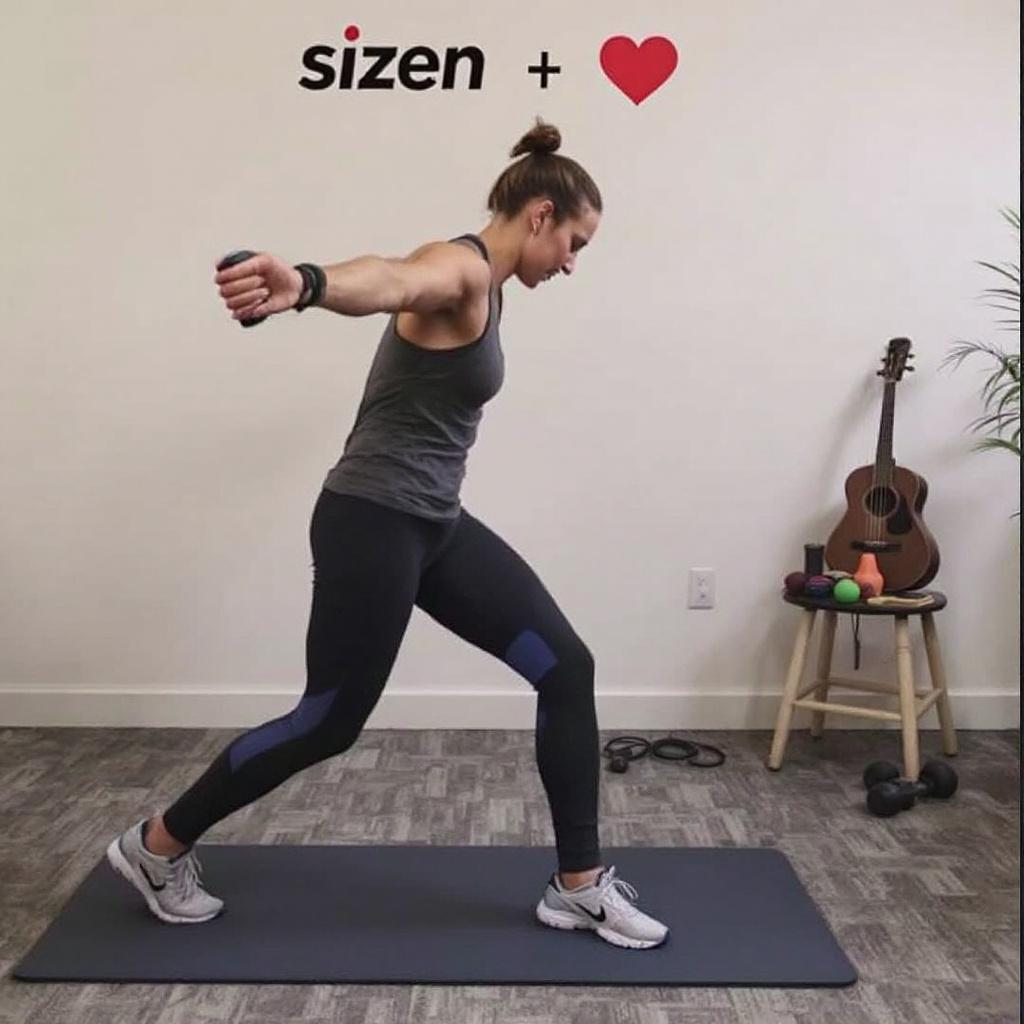
Resistance training is crucial for keeping your muscle mass and boosting your metabolism. It also helps prevent the decline that often comes with age. You don’t need a gym; simple bodyweight exercises like squats or push-ups work. Resistance bands are also a great tool for building strength anywhere.
Cardiovascular Health and Endurance
Aerobic exercises are fantastic for your heart and overall stamina. They help your body use oxygen better. Things like jogging, cycling, swimming, or dancing are fantastic for your heart. Pick an activity you enjoy, and you’ll stick with it. Even brisk walking makes a difference.
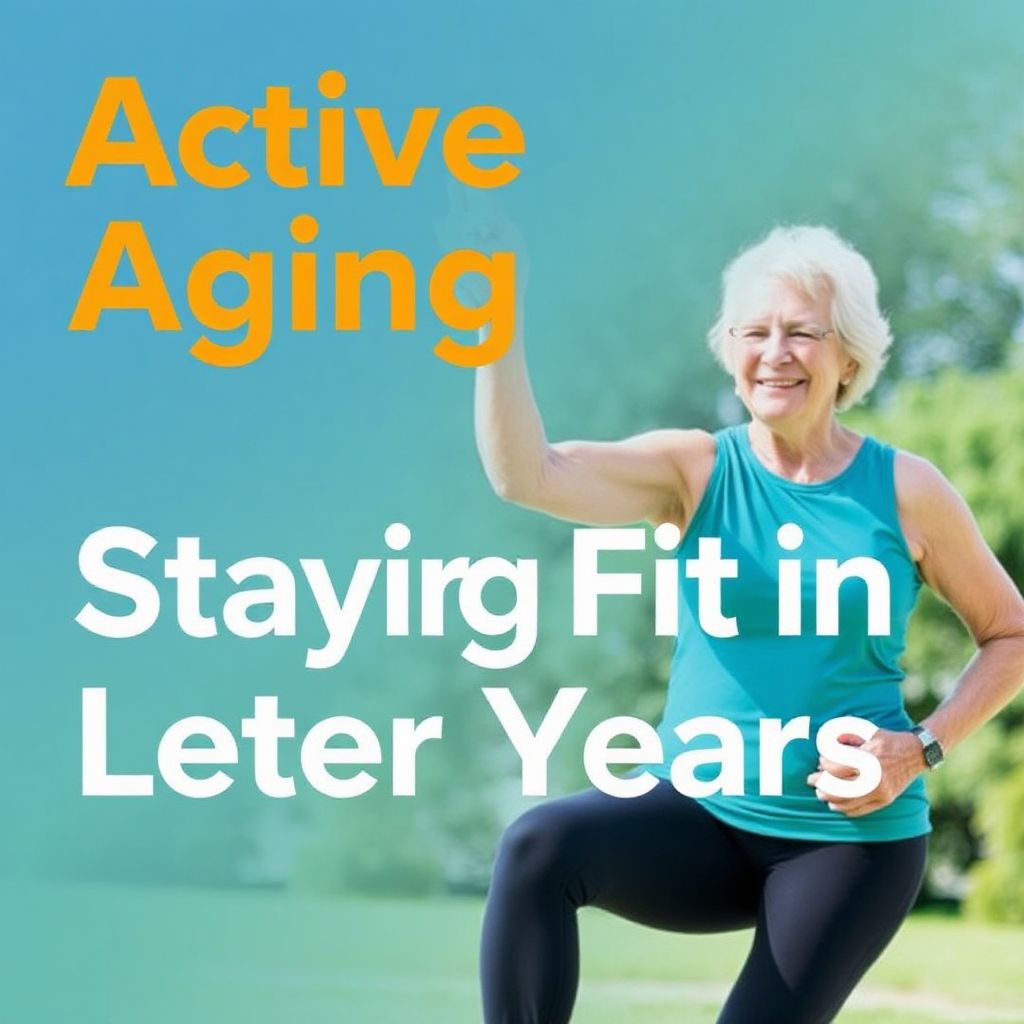
Active Aging: Staying Fit in Later Years
Active Aging: Staying Fit in Later Years
Adapting Exercise for Seniors
For older adults, exercise focuses on safety, keeping good mobility, and staying independent. It is about moving smart, not just moving hard. Gentle activities protect your body while building important strength.
Low-Impact and Joint-Friendly Exercises
Activities that are kind to your joints are best. Think water aerobics, which lessens impact, or tai chi, which improves balance and flexibility. Gentle yoga also helps with range of motion. As Dr. Emily Chen, a leading geriatric physical therapist, explains, “The goal for active aging is consistent, mindful movement. Low-impact exercises protect your joints while building strength and flexibility, keeping you independent longer.”
Balance and Fall Prevention
Working on your balance is critical to prevent falls. Simple exercises like standing on one foot or walking heel-to-toe can make a big difference. These moves strengthen the muscles that help you stay steady. They also improve your body’s awareness of where it is in space.
Social Engagement Through Activity
Group fitness classes or walking clubs offer more than just exercise. They give you a chance to socialize and feel connected. This social side boosts motivation, making it easier to stay active. Look for programs at your local senior center; they often have great options.
Exercising with Different Abilities
Exercising with Different Abilities
Inclusive Movement for All
Everyone deserves to experience the benefits of physical activity. Individuals with disabilities or chronic health conditions can absolutely engage in movement. It just might look a bit different. What really matters is finding ways to move that suit your specific needs.
Adapting Exercises for Physical Limitations
Many exercises can be changed to fit various physical needs. This could mean doing seated exercises or using adaptive equipment. Focusing on range of motion rather than heavy lifting is another path. Consider adaptive sports like wheelchair basketball or seated volleyball. These activities build strength, coordination, and community.
Consulting Healthcare Professionals
It is super important to talk with your doctor or a physical therapist before starting any new exercise program. This is especially true if you have existing health conditions. Discuss your fitness goals and any worries you have. They can help you create a safe and effective plan.
Finding Accessible Fitness Resources
Look for gyms or community programs that offer adaptive workouts. Many online platforms now provide inclusive exercise options too. These resources can help you start or continue your fitness journey. Studies show participation in adaptive sports can improve physical function and quality of life by over 40% for individuals with disabilities. This highlights the power of inclusive movement.
The key to living well in a high-tech world is to spend much less time using technology
- Cal Newport
Conclusion
Physical activity is a lifelong pursuit, bringing endless benefits at every age and ability level. It is not about reaching perfection, but about embracing movement that works for you. Start by finding activities you truly enjoy. Make gradual, sustainable changes to your routine. Don’t be afraid to consult professionals like doctors or physical therapists. Explore all the accessible options out there. Take that first step and begin your personalized fitness journey today. Your body and mind will thank you.