




Shopping Cart
Total:

$0.00

Items:

0

Your cart is empty
Keep Shopping

Resistance Training in Pregnancy: Benefits on Maternal and Fetal Outcomes

Resistance training (RT) during pregnancy is increasingly recognized for its positive impact on pregnancy, delivery, fetal health, and pelvic floor outcomes. A comprehensive systematic review and meta-analysis published in 2025 analyzed data from 50 studies involving over 47,000 participants worldwide, providing robust evidence to guide prenatal care practices.

Key Highlights

  • Safety and Benefits of Resistance Training:
    The review found that resistance training was not associated with adverse pregnancy or postpartum outcomes. In fact, RT was linked with a significant reduction in gestational hypertension, gestational diabetes, and mood disorders during pregnancy.

  • Delivery Outcomes:
    Pregnant women engaging in resistance training showed a 14% higher rate of normal vaginal delivery and a 34% lower risk of cesarean section compared to those with usual care or no RT intervention.

  • Fetal and Pelvic Floor Health:
    RT was associated with decreased risks of macrosomia (large birth weight babies), and no harmful effects on fetal Apgar scores or gestational age were reported. Additionally, exercise showed benefits in reducing pelvic floor dysfunction postpartum.

  • Exercise Intensity and Prescription:
    Most participants engaged in low to moderate intensity resistance training, which was generally well tolerated. However, many studies lacked detailed reporting on training progression and intensity prescription, indicating an area for future research.

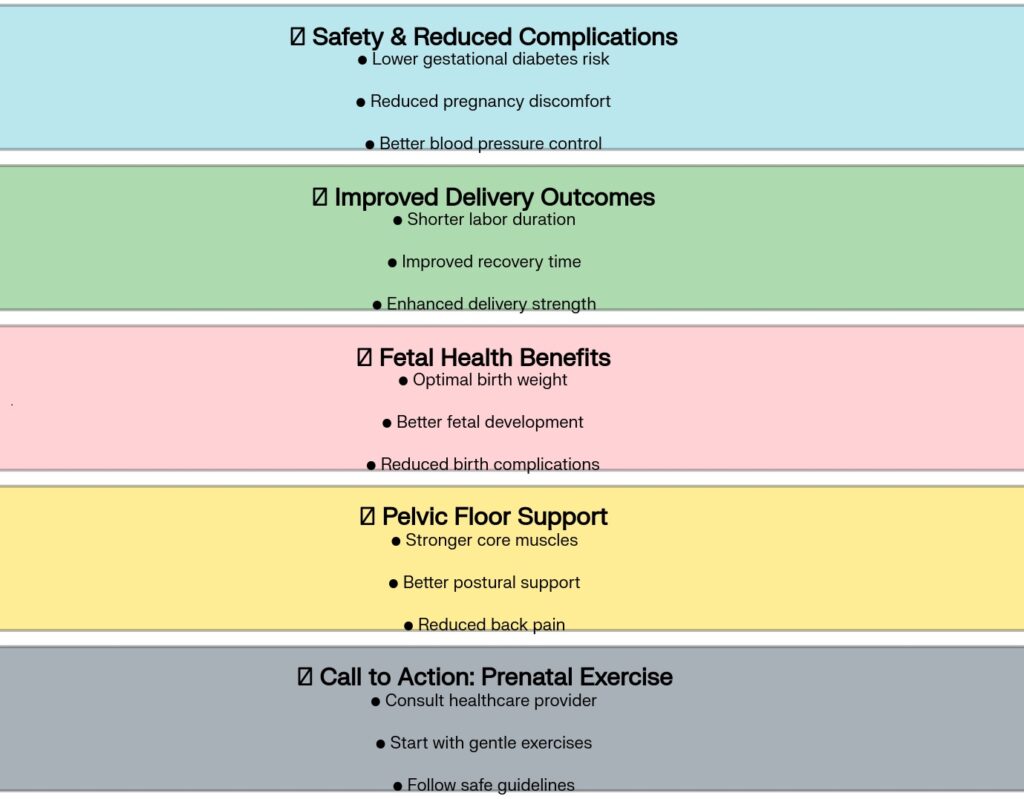
Key benefits of resistance training during pregnancy

"Our findings strongly support resistance training as a safe and effective component of prenatal care. Regular resistance exercise not only improves maternal health but fosters better delivery and neonatal outcomes—benefits that can extend into postpartum recovery."

Why Resistance Training Matters

Pregnancy brings profound physiological changes requiring musculoskeletal adaptation. Resistance training helps maintain and improve muscle strength, support core stability, and potentially reduce pregnancy-related discomforts like lower back pain. More importantly, it contributes to better metabolic health and emotional well-being.

Call to Action

Healthcare providers should encourage pregnant individuals without contraindications to incorporate safe, tailored resistance training into their prenatal routine, adhering to expert guidelines. Further research into individualized protocols and long-term outcomes will continue to refine prenatal fitness recommendations.

Show Comments (0) Hide Comments (0)
0 0 votes
Article Rating
Subscribe
Notify of
guest
0 Comments
Oldest
Newest Most Voted
Inline Feedbacks
View all comments
0
Would love your thoughts, please comment.x
()
x