



Shopping Cart
Total:

$0.00

Items:

0

Your cart is empty
Keep Shopping

Low molecular weight heparin for early-onset fetal growth restriction.

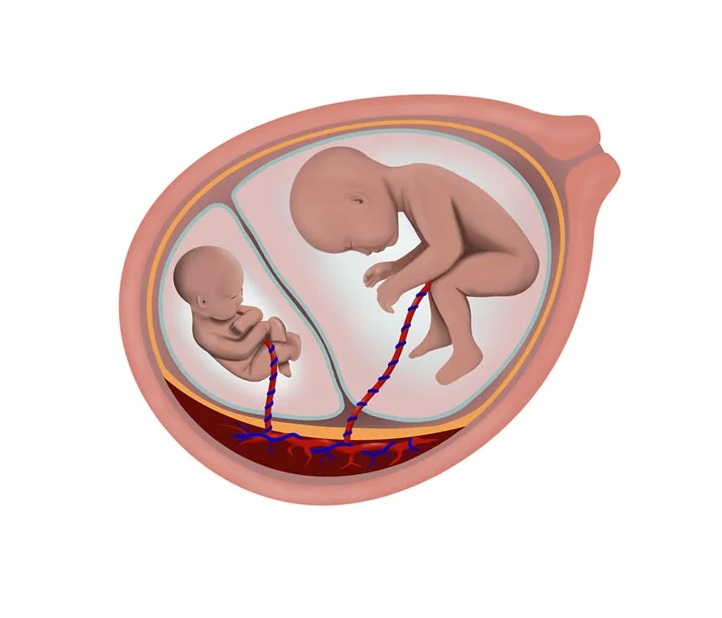
The study titled “Treatment of early-onset fetal growth restriction with low molecular weight heparin does not prolong gestation: a randomized clinical trial” investigated the effectiveness of low molecular weight heparin (LMWH) in prolonging pregnancy in cases of early-onset fetal growth restriction (FGR).

This was a phase III, multicenter, triple-blind, parallel-arm randomized clinical trial conducted in two university hospitals in Spain. Forty-nine patients with singleton pregnancies diagnosed with early-onset FGR were included. Twenty-three patients received subcutaneous bemiparin (LMWH) at a prophylactic dose, and 26 received a placebo from diagnosis until delivery.

The primary outcomes measured were the prolongation of pregnancy from inclusion to live birth (days) and gestational age at live birth (days).

Early-onset fetal growth restriction

Key Findings

  • The median prolongation of pregnancy in the LMWH group was 42 days, compared to 41.5 days in the placebo group. The median difference was 0.5 days (95% CI -22.7 to 6.3, P=.667), indicating no statistically significant difference.
  • The median gestational age at delivery in the LMWH group was 35.1 weeks, compared to 34.6 weeks in the placebo group. The median difference was 0.5 weeks (95% CI -3.4 to 1.2, P=.639), also showing no statistically significant difference.
  • No significant differences were found in secondary outcomes such as preeclampsia, severe preeclampsia, neonatal outcomes (e.g., neonatal acidosis, 5-minute Apgar score <7, NICU admission), or maternal outcomes.
  • The study reported no pathological bleeding in the heparin group, and safety profiles were similar between both groups.

Conclusion

The study concluded that the use of prophylactic dose LMWH (bemiparin) started at the time of diagnosis does not prolong pregnancy in individuals with early-onset FGR. Therefore, its use is not justified as a standard treatment for this condition. The authors suggest that further research is needed to explore alternative therapies and interventions for early-onset FGR that may prolong gestational age at delivery and improve perinatal outcomes.

study shows that prophylactic low molecular weight heparin (LMWH) does not significantly prolong pregnancy in early-onset fetal growth restriction (FGR)
- Alba González et al
Show Comments (0) Hide Comments (0)
0 0 votes
Article Rating
Subscribe
Notify of
guest
0 Comments
Oldest
Newest Most Voted
Inline Feedbacks
View all comments
0
Would love your thoughts, please comment.x
()
x