Shopping Cart
Total:

$0.00

Items:

0

Your cart is empty
Keep Shopping

Hypodynamic hypertension in pregnancy: definition, identification, implications, and management.

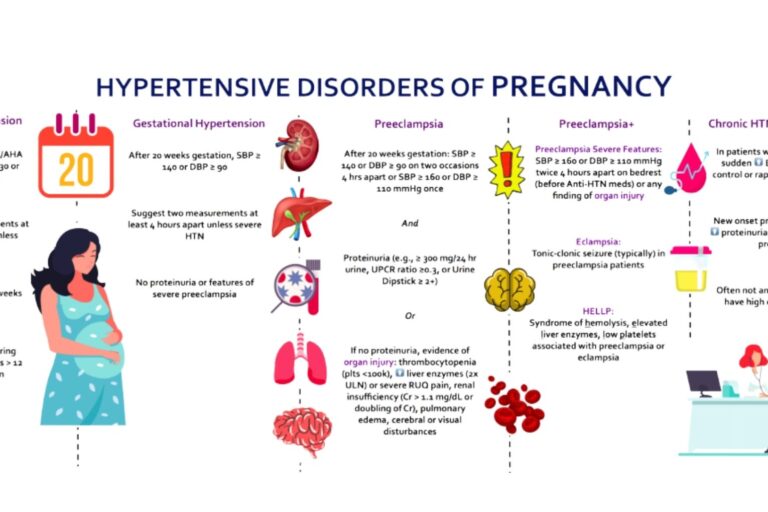
Hypertensive disorders in pregnancy can be characterized by different maternal hemodynamic profiles, including hyperdynamic and hypodynamic conditions. A hypodynamic cardiovascular profile is often linked to severe and early pregnancy complications, especially fetal growth restriction (FGR), which can be isolated or associated with hypertensive disorders. This condition is defined by high total peripheral vascular resistance (TPVR) and/or low cardiac output (CO)

Source

Key characteristics and identification

  • Hypodynamic circulation is marked by vessel constriction, low plasma volume, and a low cardiac output and stroke volume.

  • The heart often shows a concentric geometry or hypertrophy of the left ventricle, suggesting pressure overload with an underfilled state.

  • A quantitative definition of hypodynamic circulation can be a TPVR greater than 1300 dyne, a value which has been associated with complications in both normotensive and hypertensive patients.

  • Maternal hemodynamics can be assessed using echocardiography or other non-invasive devices like USCOM or NICOM.

  • If these tools are not available, a simple clinical proxy is the ratio of mean arterial pressure (MBP) to heart rate (HR). A ratio greater than 1.4 suggests a hypodynamic circulation.

  • A concentric geometry of the left ventricle can be defined by a relative wall thickness (RWT) greater than 0.37, which was shown to be predictive of complications in one study of high-risk, normotensive pregnant women.

Management and interventions

  • The pharmacological approach to hypodynamic hypertension should be targeted. Drugs that lower blood pressure by reducing cardiac output and myocardial contractility, such as beta-blockers, may be an irrational choice. Non-selective beta-blockers, for example, may increase TPVR, which is already high in this condition.

  • More appropriate pharmacological interventions are those that act directly on blood vessels to reduce vasoconstriction. These include dihydropyridine calcium channel blockers (like nifedipine or amlodipine) and nitric oxide (NO) donors.

  • Dihydropyridine calcium channel blockers reduce vascular resistance by acting on arterial smooth muscle and may also increase plasma volume.

  • NO donors increase venous capacitance, but this can reduce venous return and stroke volume, a negative effect that might be avoided with increased fluid intake.

  • Non-pharmacological interventions like restricting physical activity and resting in the left lateral recumbent position have also been suggested. These measures may have positive effects on fetal growth and maternal hemodynamics, especially since the gravid uterus can compress the vena cava, further reducing cardiac output.

Essential Hypertension in Pregnancy

Outcomes of a hemodynamic-guided approach

  • While randomized controlled trials are still needed for conclusive evidence, some data suggest that a targeted, hemodynamic-guided approach can mitigate or reduce adverse outcomes.

  • This approach can lead to a reduction of TPVR and an increase in stroke volume and cardiac output.

  • Positive effects have also been observed on the fetal side, including improvements in fetal Doppler parameters

  • Studies have shown that this tailored treatment can reduce overall severe complications, prolong gestation in cases of fetal growth restriction, and decrease the rate of progression to severe hypertension.

a hypodynamic maternal cardiovascular profile might be associated to severe and early complications of pregnancy (in particular fetal growth restriction, either isolated or associated to hypertensive disorders of pregnancy)"
- Gian Paolo Novelli a et al
Show Comments (0) Hide Comments (0)
0 0 votes
Article Rating
Subscribe
Notify of
guest
0 Comments
Oldest
Newest Most Voted
Inline Feedbacks
View all comments
0
Would love your thoughts, please comment.x
()
x